Cardio Charge: daily support for healthy heart function
Your heart beats about 100,000 times a day, and it deserves daily care. Cardio Charge is a supplement designed to support healthy heart function and circulation, to be used alongside a heart-healthy diet, regular activity and the guidance of your doctor.
- Designed to support heart function and circulation
- Simple daily routine with clear label directions
- Honest guidance on medicines, check-ups and warning signs
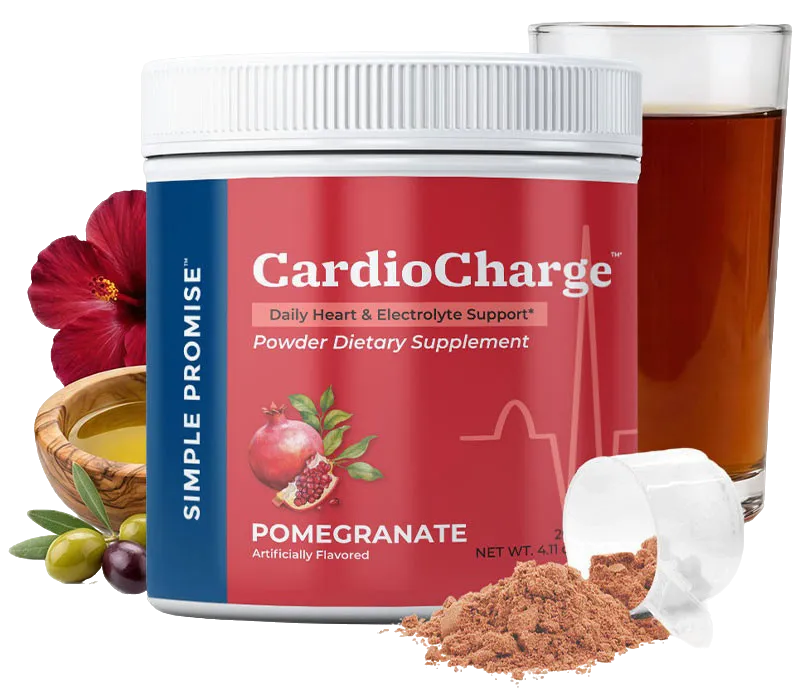
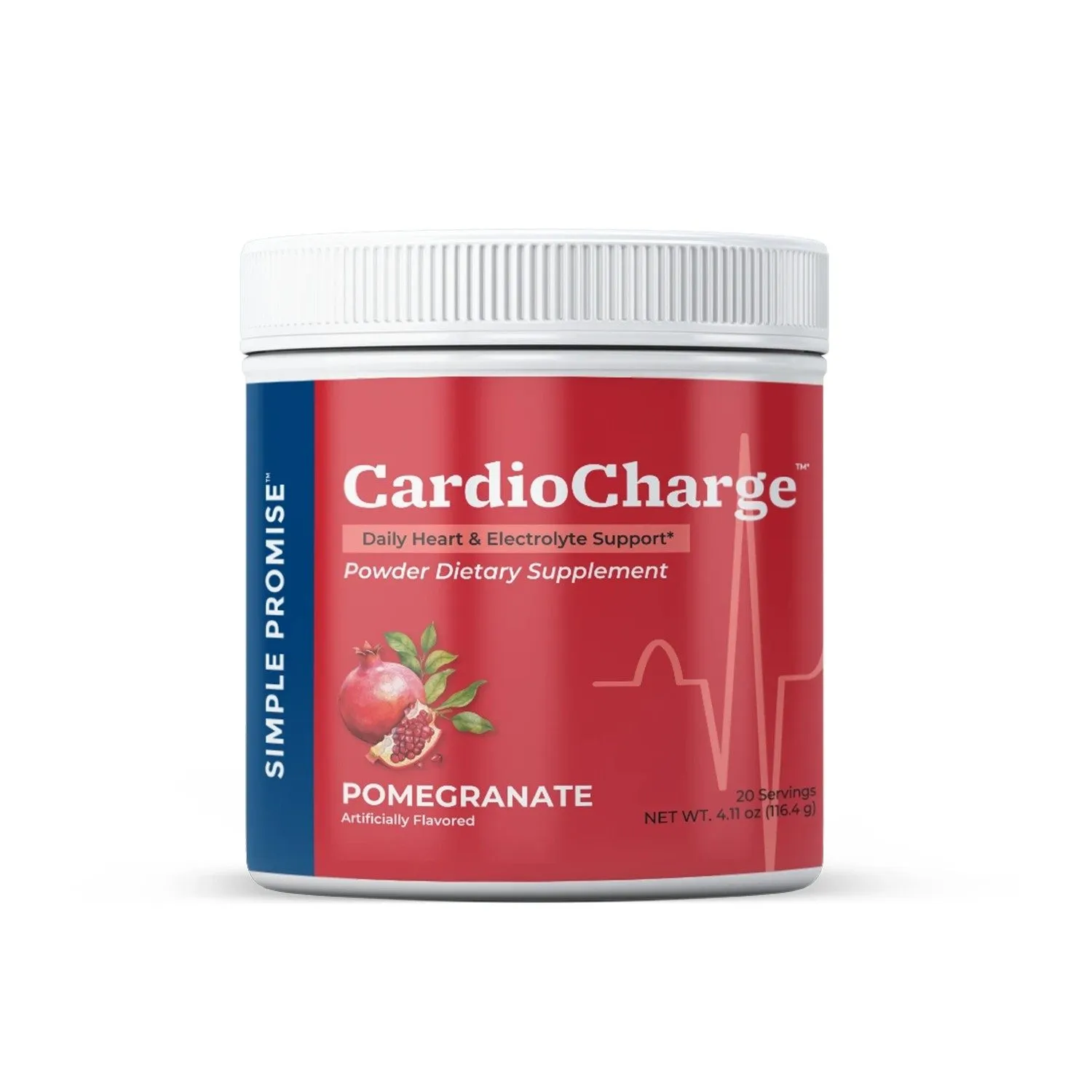
What is Cardio Charge?
Cardio Charge is a dietary supplement designed to support healthy heart function and circulation, when used with a heart-healthy diet, regular physical activity and medical care.
Heart disease remains the leading cause of death in the United States, yet much of the risk is shaped by everyday choices: what we eat, how much we move, whether we smoke, how we sleep and how we handle stress. Cardio Charge was created for adults who want to add a daily nutritional step to those choices. It brings together nutrients and botanicals that are commonly associated with cardiovascular wellness.
We want to be very clear about what a supplement can and cannot do. Cardio Charge is not a medicine. It does not treat heart disease, lower blood pressure or cholesterol on its own, or replace any prescribed therapy. It must never be used as a reason to skip a check-up, stop a medicine or ignore symptoms. Think of it as a small supporting piece of a much bigger plan.
This page explains how the heart works, which factors affect heart health, what kinds of ingredients are common in heart wellness products, how to use Cardio Charge safely, who should speak to a doctor first and which symptoms require emergency care.
Know the warning signs: call emergency services
A supplement cannot treat a heart emergency. If you or someone near you has chest pressure or pain, pain spreading to the arm, jaw, neck or back, shortness of breath, cold sweat, nausea or sudden lightheadedness, call 911 or your local emergency number immediately. Do not drive yourself, and do not wait to see if symptoms pass.
Stroke can also be an emergency. Remember the signs: face drooping, arm weakness, speech difficulty. Time matters, so call for help at once. Women, older adults and people with diabetes may have less typical symptoms, such as unusual fatigue, indigestion-like discomfort or back pain.
How the heart works, and what affects it
The heart is a muscular pump that sends blood through a network of arteries, capillaries and veins. Blood carries oxygen and nutrients to every cell and removes waste. For the heart to work well, its muscle must be strong, its electrical rhythm steady, its valves effective and its blood vessels flexible and clear. Many everyday factors influence these elements.
Blood pressure
High blood pressure makes the heart work harder and can damage arteries over time. It often has no symptoms, so regular checks matter.
Cholesterol and blood fats
High LDL cholesterol and triglycerides can contribute to plaque in the arteries. Diet, activity, genetics and sometimes medicine all play roles.
Blood sugar
Diabetes and prediabetes increase cardiovascular risk. Stable blood sugar protects blood vessels and nerves.
Weight and waist size
Excess weight, especially around the middle, raises the risk of high blood pressure, diabetes and heart disease.
Smoking and alcohol
Tobacco damages blood vessels and raises clotting risk. Heavy drinking can weaken the heart muscle and raise blood pressure.
Stress and sleep
Chronic stress and poor sleep are linked with higher blood pressure and unhealthy habits. Sleep apnea in particular is a strain on the heart.
Some risk factors, such as age, sex and family history, cannot be changed. That is a reason to focus even more on the ones you can influence.
Ingredients commonly used in heart wellness formulas
Cardio Charge follows the approach of modern heart wellness supplements. Below is an educational overview of ingredient types commonly used in this category. Always read the Supplement Facts panel on your bottle for exact ingredients, amounts and allergen information, because the label is the final authority.
Coenzyme Q10
A compound the body makes and uses for cellular energy, found in high concentrations in the heart muscle. Levels decline with age and some medicines, and CoQ10 is a popular heart wellness ingredient.
Hawthorn berry
A traditional European herb that has long been used to support the cardiovascular system. It has been studied in people with heart conditions under medical supervision.
Magnesium
An essential mineral that contributes to normal muscle function, including the heart muscle, and to normal energy metabolism.
Omega-3 fatty acids
EPA and DHA from fish or algae contribute to normal heart function. Oily fish twice a week is also commonly recommended.
Garlic extract
Used for centuries in food and folk traditions and widely studied in connection with circulation and cardiovascular wellness.
L-arginine and L-citrulline
Amino acids involved in the body’s production of nitric oxide, a molecule that helps blood vessels relax and supports healthy blood flow.
Vitamin K2 and vitamin D3
Vitamin D supports muscle, bone and immune health. Vitamin K2 is involved in calcium handling in the body.
Antioxidants
Compounds such as grape seed extract, vitamin C and vitamin E help protect cells from oxidative stress, a normal part of ageing.
Quality matters as much as the ingredient list. Look for clear dosages, standardized extracts, tested raw materials and a manufacturer that follows Good Manufacturing Practices. Avoid products that hide amounts inside “proprietary blends”, and be cautious of any product that claims to unclog arteries or replace medication.
What Cardio Charge is designed to support
Supplements play a supporting role. They do not treat disease or replace a doctor. These are the areas where Cardio Charge is designed to help when taken consistently with good habits and medical care.
Healthy heart muscle function
Nutrients such as CoQ10 and magnesium take part in energy production and normal muscle function, including the heart. The aim is to give the heart nutritional support, especially when diet is less than ideal.
Circulation and blood flow
Ingredients such as L-citrulline and garlic are associated with healthy blood vessel function and circulation as part of a balanced lifestyle. This is a general wellness effect and not a treatment for any condition.
Antioxidant protection
Antioxidants help protect cells and blood vessels from oxidative stress. Combined with a diet rich in vegetables and fruit, they contribute to overall cardiovascular wellness.
Daily energy and vitality
Because the heart and circulation underpin all physical activity, supporting them may help some people feel more comfortable staying active, which in turn is one of the best things you can do for your heart.
Confidence and routine
Taking an active role in your health often reduces worry. A daily routine, combined with regular check-ups and numbers you understand, helps many adults feel more in control.
How to take Cardio Charge
Take Cardio Charge exactly as directed on the product label, usually with water and a meal at the same time each day. Do not exceed the recommended dose.
- Talk to your doctor first. Share your medicines, conditions and plans to start a supplement, especially if you have heart disease, high blood pressure or take blood thinners.
- Read the label. Check serving size, ingredients and every warning.
- Take it with food. Fat-soluble nutrients are usually better absorbed and tolerated with a meal.
- Be consistent. Choose a time you can keep, such as breakfast.
- Allow time. Many people give heart wellness products eight to twelve weeks before judging.
- Keep your check-ups. Continue to monitor blood pressure, cholesterol and blood sugar as advised.
- Store properly. Keep the bottle closed, in a cool dry place, away from sunlight and children.
If you notice dizziness, a racing or irregular heartbeat, unusual bruising or bleeding, rash or stomach upset, stop taking the product and speak with a healthcare professional.
Heart-healthy habits that matter most
The strongest evidence for heart health comes from lifestyle. These habits are recommended by major heart organizations.
Eat a Mediterranean or DASH-style diet
Build meals around vegetables, fruit, beans, whole grains, nuts, fish and olive oil. Limit processed meat, sugary drinks and refined snacks.
Cut back on sodium
Most adults eat more salt than is recommended. Cook at home, read labels and flavour food with herbs, citrus and spices.
Move every day
Aim for at least 150 minutes of moderate activity a week, plus muscle-strengthening on two days. Even short walks add up.
Do not smoke
Quitting is the single most powerful step for heart health. Ask your doctor about support and medicines.
Limit alcohol
If you drink, keep it moderate, and talk to your doctor about what is safe for you.
Sleep well
Seven to nine hours is the goal for most adults. Seek assessment if you snore loudly or stop breathing at night.
Manage stress
Walking, breathing exercises, time outdoors, hobbies and social support all lower stress.
Maintain a healthy weight
Even a modest loss, such as five to ten percent of body weight, can improve blood pressure and blood sugar.
Give your heart daily support
Add a daily supplement to the habits that protect your heart.
Buy Cardio Charge todayKnow your numbers
Regular check-ups give you facts to act on. The figures below are general reference points for adults and are not a diagnosis. Your doctor will set targets that fit your age, history and risk.
| Measure | General reference | Why it matters |
|---|---|---|
| Blood pressure | Below 120/80 mmHg is considered normal for most adults | High pressure often has no symptoms but strains the heart and arteries. |
| Total cholesterol | Below 200 mg/dL is generally desirable | Your doctor will also look at LDL, HDL and triglycerides. |
| Fasting blood glucose | Below 100 mg/dL is considered normal | High blood sugar damages blood vessels over time. |
| Waist size | Risk rises above about 40 inches for men and 35 inches for women | Belly fat is linked with metabolic and heart risk. |
| Resting heart rate | Typically 60 to 100 beats per minute | A very high, very low or irregular rate should be assessed. |
Ask your doctor how often you should be checked and whether you should monitor blood pressure at home.
Who should be careful, and who should not use Cardio Charge
May be a good fit if you are
An adult who wants daily nutritional support for heart and circulation wellness, who is working on diet, activity and check-ups, and who has discussed supplements with a doctor if you have any medical condition.
Speak to a doctor first if you
Take warfarin, antiplatelet drugs, blood pressure medicines, statins, nitrates, heart rhythm drugs or diabetes medicines. Garlic, omega-3s, vitamin K and CoQ10 can interact with some of these. Also check first before surgery or with liver or kidney disease.
Do not use Cardio Charge if you
Are under 18, are pregnant or nursing, are allergic to any ingredient, or have been told by a healthcare professional to avoid it. Never stop prescribed heart medicine because you started a supplement.
How to choose a supplement you can trust
| What to check | Why it matters |
|---|---|
| Full ingredient list with amounts | Lets you compare doses with research and avoid hidden blends. |
| Manufacturing standards | Look for Good Manufacturing Practices and independent testing. |
| Realistic claims | Avoid “reverses heart disease” or “replaces your pills”. Honest brands say “supports”. |
| Warnings and interactions | A trustworthy label states who should avoid the product and which medicines to check. |
| Transparent business details | Look for contact details, a refund policy and clear shipping information. |
| Independent reviews | Read feedback on several sites, not only the brand’s own page. |
In the United States, the FDA regulates supplements as foods and does not approve them before sale, so your own research and your doctor’s advice carry real weight.
Setting honest expectations
Research on heart supplements is mixed. Some ingredients have encouraging studies, others have been less convincing in large trials, and results from one study do not always apply to every person. A supplement may support your efforts, but it is no guarantee, and it cannot replace proven medical treatment.
Many people notice no obvious change when taking a heart wellness supplement because the heart does not give daily feedback. That is why check-ups, blood pressure readings and lab tests are the best way to track progress with your doctor.
Be wary of products or sellers that promise to reverse heart disease, remove plaque or let you stop your medicines. Responsible companies encourage you to work with your healthcare team and follow your treatment plan.
Common myths about heart health
Myth: heart disease is only for older men
Heart disease affects women and men, and risk factors can start early. Women’s symptoms can be different and are sometimes missed.
Myth: no symptoms means a healthy heart
High blood pressure and high cholesterol usually cause no symptoms. Testing is the only way to know.
Myth: a supplement can replace medication
Prescribed medicines are proven to reduce risk in many people. Never stop them without your doctor’s advice.
Myth: all fat is bad for the heart
Unsaturated fats from fish, nuts, seeds and olive oil are heart-friendly. Trans fats and excess saturated fat are the concern.
Myth: natural means safe with any medicine
Herbs and nutrients can interact with prescriptions, including blood thinners. Always check with a pharmacist or doctor.
Quick glossary
LDL: low-density lipoprotein, often called “bad” cholesterol. HDL: high-density lipoprotein, often called “good” cholesterol. Triglycerides: a type of fat in the blood. Hypertension: high blood pressure. CoQ10: coenzyme Q10, a compound involved in cellular energy. Supplement Facts: the label panel listing serving size and ingredients.
Heart-healthy eating in practice
Big dietary changes are hard to keep, so start with a few swaps and build from there. The ideas below follow guidance from major heart organizations and can be adapted to your culture, budget and any medical advice you have received.
Breakfast
Choose oatmeal with berries and nuts, or whole grain toast with avocado and an egg. Oats contain soluble fibre, which is associated with healthy cholesterol levels as part of a balanced diet.
Lunch and dinner
Fill half the plate with vegetables, a quarter with whole grains such as brown rice or quinoa, and a quarter with lean protein such as fish, skinless poultry, beans or lentils. Eat oily fish like salmon, sardines or trout about twice a week.
Snacks
A handful of unsalted nuts, fresh fruit, plain yogurt or raw vegetables with hummus are better choices than chips, cookies or sweets. Nuts are energy-dense, so keep portions modest.
Cooking fats and flavour
Use olive or canola oil instead of butter or lard where you can. Season with garlic, herbs, lemon, vinegar and spices rather than salt.
Reading labels
Look at sodium, added sugars and saturated fat per serving. Packaged soups, sauces, deli meat and bread can hide a lot of salt. Choose lower-sodium versions when possible.
Eating out
Ask for dressings on the side, choose grilled over fried dishes and share large portions. Restaurant meals are often high in sodium and saturated fat.
Moving for your heart
Regular activity strengthens the heart, helps control weight, blood pressure and blood sugar, and improves mood and sleep. You do not need to run marathons to benefit, and consistency matters more than intensity.
Start where you are
If you are new to exercise or have a heart condition, ask your doctor what is safe before you begin. A ten-minute walk after meals is a good start, and you can add a few minutes each week.
Build to 150 minutes
Many guidelines recommend at least 150 minutes of moderate activity a week, such as brisk walking, cycling, swimming or dancing. You should be able to talk but not sing. Spread the time across most days.
Add strength
Two sessions a week of resistance exercises with bands, weights or bodyweight support muscle, bone and metabolic health.
Reduce sitting
Stand up and move every thirty to sixty minutes. Even small breaks improve blood flow and energy.
Listen to your body
Stop and seek medical advice if you feel chest pain, severe breathlessness, dizziness or an irregular heartbeat during activity. Warm up and cool down, drink water and avoid exercising in extreme heat.
Frequently asked questions about Cardio Charge
What is Cardio Charge?
Cardio Charge is a dietary supplement designed to support healthy heart function and circulation when used with a heart-healthy diet, regular activity and medical care.
Can Cardio Charge treat heart disease or high blood pressure?
No. Cardio Charge is a dietary supplement and is not intended to diagnose, treat, cure or prevent any disease, including heart disease, high blood pressure or high cholesterol.
Can I take Cardio Charge with heart medication?
Speak with your doctor or pharmacist first. Some supplement ingredients can interact with blood thinners, blood pressure medicines, statins and other heart drugs. Never stop prescribed medication without medical advice.
How do I take Cardio Charge?
Follow the directions on the product label. Most daily supplements are taken with water and a meal at the same time each day. Do not exceed the recommended dose.
What are the warning signs of a heart attack?
Chest pressure or pain, pain spreading to the arm, jaw or back, shortness of breath, cold sweat, nausea or sudden lightheadedness. Call 911 or your local emergency number immediately. Do not rely on a supplement.
How long before I notice a difference?
Results vary. Many people allow eight to twelve weeks of consistent use alongside healthy habits and medical follow-up before judging a supplement.
Will it lower my cholesterol or blood pressure?
Cardio Charge is not intended to lower either. Ask your doctor about your numbers and about proven options, including lifestyle changes and medicines when appropriate.
Can I take it with other supplements?
Many adults take a multivitamin or fish oil, but doubling up on ingredients such as vitamin K, magnesium or omega-3s may not be appropriate. Add up totals on every label and ask a pharmacist or doctor.
Are there side effects?
Some people experience stomach upset, nausea, headache or loose stools. Stop use and consult a professional if you notice unwanted effects.
Should I stop it before surgery?
Tell your surgeon and anesthesiologist about all supplements. Some ingredients can affect bleeding, so you may be advised to stop them in advance.
Where can I buy Cardio Charge?
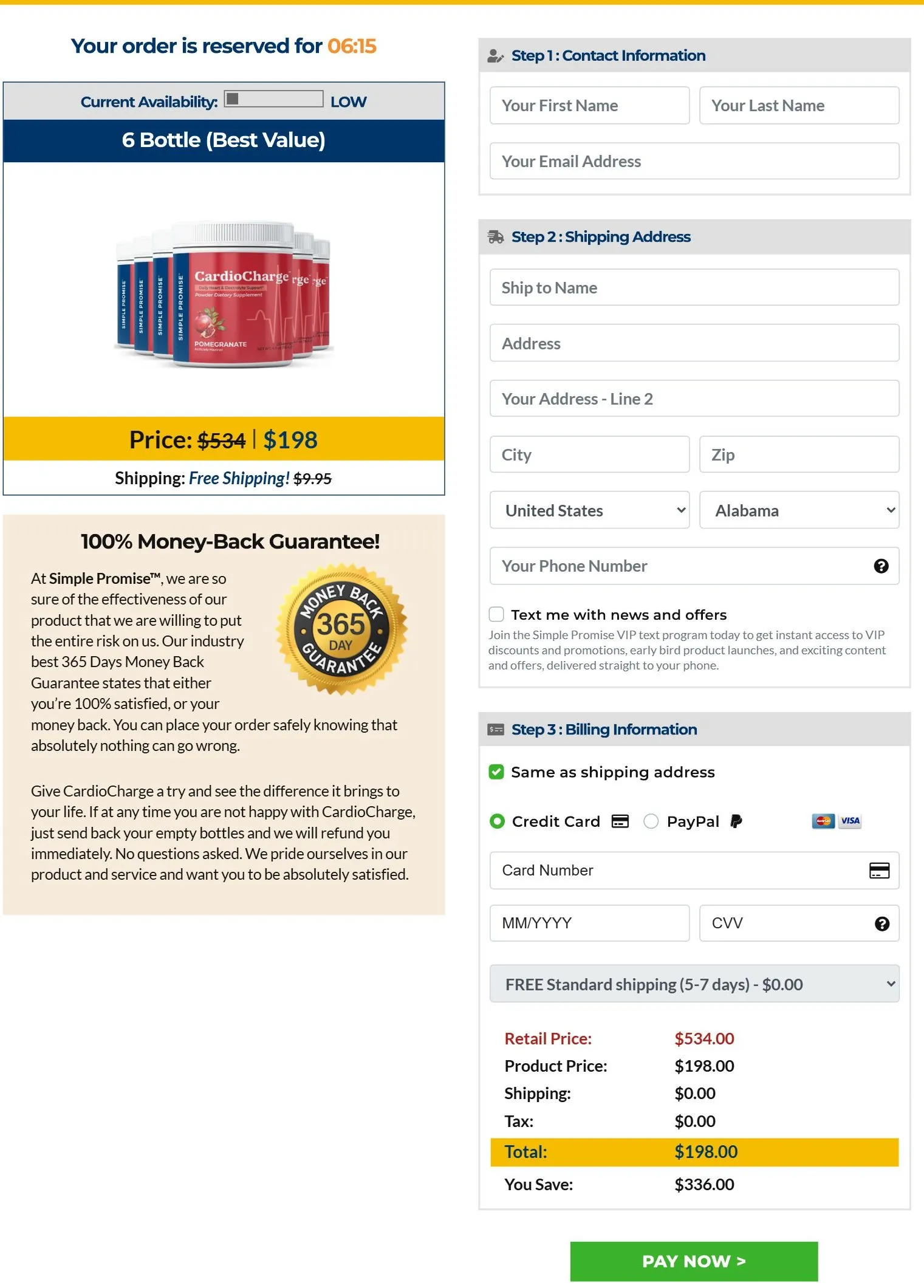
Use the order buttons on this website to reach the official checkout. Buying from the official source helps you avoid counterfeit products and gives you access to support and refund terms.
Can I use it long term?
Discuss long-term use with your healthcare provider and review your health at regular check-ups instead of taking any supplement indefinitely without review.
Ready to support your heart every day?
Combine regular check-ups, heart-healthy habits and a daily supplement you understand. Visit the official secure checkout to see current availability, pack options, shipping and refund terms for Cardio Charge.
Order Cardio Charge now